Tablif Aftermath Index · Week 30 · Monday to Sunday
The Aftermath Index, Jul 20 – 26, 2026
Everything here launched on one of 12 public launch boards during this week — dated by the board's own launch date, not by the day we happened to find it. The index is about what happened after that: who is still answering, who kept shipping, who went quiet.
Coverage for this week
6,827 products launched in total (+6.1% against the week before).
This week's cohort, 1 day on
Every other number on this page is frozen to the week it describes. This one is not: it is the same cohort of products, asked again today. That is the whole point of the index — the launch is the starting line, not the result.
Of 6,827 products in the cohort, 47 have stopped answering and 566 cannot be determined — those 566 are excluded from the percentage rather than guessed at. The per-board rows beside this add up to more than 6,827: a product posted to three boards appears in all three.
Not yet — and that is the honest answer at this age. 6 of the 8 boards shown have not lost a single product yet; the lowest sits at 99.1% still answering. Most products simply have not had time to die.
- Product Hunt5,455 launched · 44 gone
- PeerPush542 launched · 2 gone
- Peerlist239 launched · 0 gone
- TinyLaunch228 launched · 0 gone
- Uneed155 launched · 0 gone
- Fazier109 launched · 0 gone
- BetaList104 launched · 0 gone
- OpenHunts71 launched · 0 gone
This section starts ranking boards on its own, the week the deaths spread out enough to mean something. Nothing here needs to be edited for that to happen.
The week, day by day — all 12 boards
Most launch boards publish daily; a few only weekly. The deeper the cell, the more launches dated to that day. Rows marked 'one column' put their whole week on a single day — either because the source publishes weekly or because that is simply where this week landed — so their blank cells are missing resolution, not quiet days. Each product is counted once per board, on the earliest date that board gave it, which is why the cells add up to the week column.
Busiest day on the daily boards: Tue (1,200). The 5 boards that landed on one column are excluded from that claim — their whole week lands on one column, which would invent a rhythm that isn't there.
Every axis we tag on, at once
We describe each product along twelve axes — who it's for, what it plugs into, what it runs on, what language it speaks. Here is all twelve for this week's cohort, each panel scaled to its own top value. Colour marks the family the axis belongs to, the same grouping the site menu uses.
- Doesn't mention AI3,886
- Free1,553
- No sign-up660
- Works offline418
- Can export my data273
- At work1,464
- Just me1,008
- I build things985
- For a team688
- Facing clients607
- I want to own my data619
- I'm wasting time600
- I don't trust the cloud404
- I'd rather stay anonymous290
- I might be non-compliant148
- Works with MCP151
- Works with YouTube126
- Works with Chrome110
- Works with GitHub107
- Works with WhatsApp103
- Developers373
- Marketers211
- Freelancers202
- Job seekers175
- Students161
- Photos369
- Video281
- PDFs235
- Audio & voice199
- Email148
- Desktop app360
- iPhone / iPad286
- API / SDK265
- Android204
- Browser extension105
- An alternative to something390
- Instead of juggling tools142
- Instead of doing it by hand74
- Instead of a spreadsheet74
- Instead of an expensive tool37
- Runs on iPhone289
- Runs on Android208
- Runs on Mac183
- Runs on Windows130
- Runs on Linux43
- Many languages243
- Español51
- 中文40
- Français36
- العربية26
- A directory89
- A service, not software86
- A template or kit86
- A mobile app76
- Database client1
- Track finances16
- Track inventory6
- Digital menu5
- Point of sale4
- Take orders online4
- What it has to be
- Who you are
- What you're dealing with
- What you already have
- Other
Each panel shows its top five values and its own n — panels are not comparable to each other, only within themselves. A product can carry more than one value on the same axis (two languages, three integrations), which is why the rows do not sum to n. These tags come from the reading pass, which had covered 100.0% of this cohort (6,824 of 6,827) when the page was built. Unlike the launch counts, that figure is not frozen: a product read after publication changes these panels, so treat them as the state of the reading rather than a closed measurement.
Where two answers meet
A single axis tells you what exists. Two axes together tell you what goes with what — tools for email that assume you're on Google Workspace, or privacy-motivated products that refuse to upload anything. The number on the right is how many times more often the pair appears than it would if the two tags were unrelated.
- Online sellersWorks with Shopify2235.5×
- EmailWorks with Google3824.3×
- I don't trust the cloudData stays with you13011.7×
- FreelancersContracts & invoices289.8×
- VideoWorks with TikTok349.2×
- VideoWorks with YouTube458.7×
self-hostedon two axes is one fact, not a pattern), and one side must always be an intent axis — who it's for, what they're dealing with, or what's bothering them.that weekWhat kind of thing shipped, and in what language
Two different questions, two different forms. 'Kind' is a part-to-whole split, so it reads as one circle — and the circle only closes because everything outside the top five is drawn as its own slice. Language is a set of independent tags — a product can speak three — so it reads as a ranked list, not a pie.
- A directory25.9%
- A service, not software25.1%
- A template or kit25.1%
- A mobile app22.2%
- Database client0.3%
- 5 smaller kinds1.5%
kind tag across 10 distinct values, and 343 tags in total — a few products carry two, so the circle is drawn over tags rather than products. Not of all 6,827 launches.that week- Español51
- 中文40
- Français36
- العربية26
Who they were built for — last week against this one
The same 8 audiences, two weeks. The dot on the left is last week, the dot on the right is this one, and the bar between them is the size of the move. Two bars would have read as two separate series; this is the same audience at two moments.
- Developers▼ -40
- Marketers▲ +25
- Freelancers▲ +25
- Students▼ -12
- Job seekers▲ +25
- Investors & traders▼ -10
- Online sellers▼ -21
- Designers▼ -4
- week before
- this week
- Just me+179
- Free+169
- Doesn't mention AI+168
- I build things+135
- At work+72
- iPhone / iPad+61
- For a team-55
- Photos+55
- I want to own my data+47
- I'm wasting money-47
What we actually read
Every product here was read, not just counted: a language model reads the description its makers published and writes a one-line summary plus up to five judgement fields. A field is left empty when the description does not say it, so these bars measure what the source text actually contained as much as what we wrote.
The caveats we wrote down
“What to watch out for” is the only field in this report that is a judgement rather than a measurement. It is also the rarest — most products don't get one. 6 of 579 are shown here, picked by a hash of the product id so the sample does not favour the longest notes.
- Spectati
Apple platforms only.
- GetRoofReport
Focused on Florida properties.
- MiniClone HD
A diskless demo mode is available to test the interface safely first
- The Gaming Nest
Rooted in the Arab gaming scene.
- Being Corporate
Runs on GPUs that need a moment to wake from idle
- Lockscape — Wallpaper Gallery
iOS only, no account required.
What the week did to standing products
Products that launched before this week, priced on Monday and again on Sunday. The average and the median sit next to each other on purpose: when they disagree, the average is being carried by a handful of outliers and the median is the typical product.
Which boards carried them
One product can appear on several boards, so these add up to more than the week's total. Board size here is reach for that week only — not a ranking of the boards themselves.
- Product Hunt5,455
- PeerPush542
- Peerlist239
- TinyLaunch228
- Uneed155
- Fazier109
- BetaList104
- OpenHunts71
- Devhunt28
- Smol Launch24
- MicroLaunch22
- Tiny Startups18
Fastest movers this week
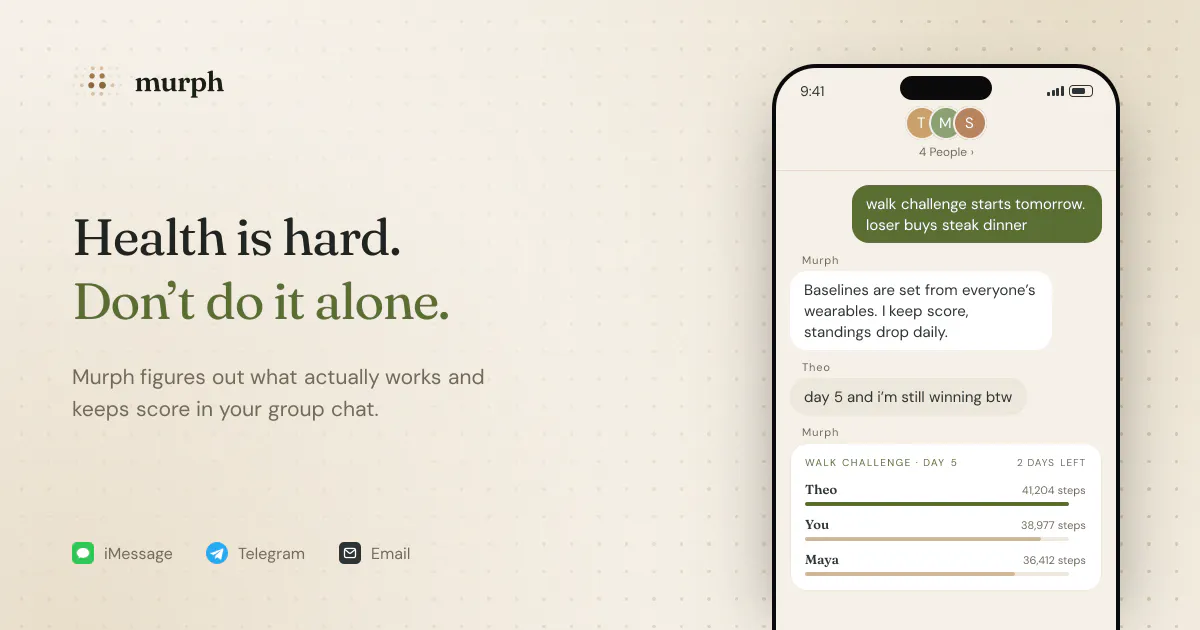
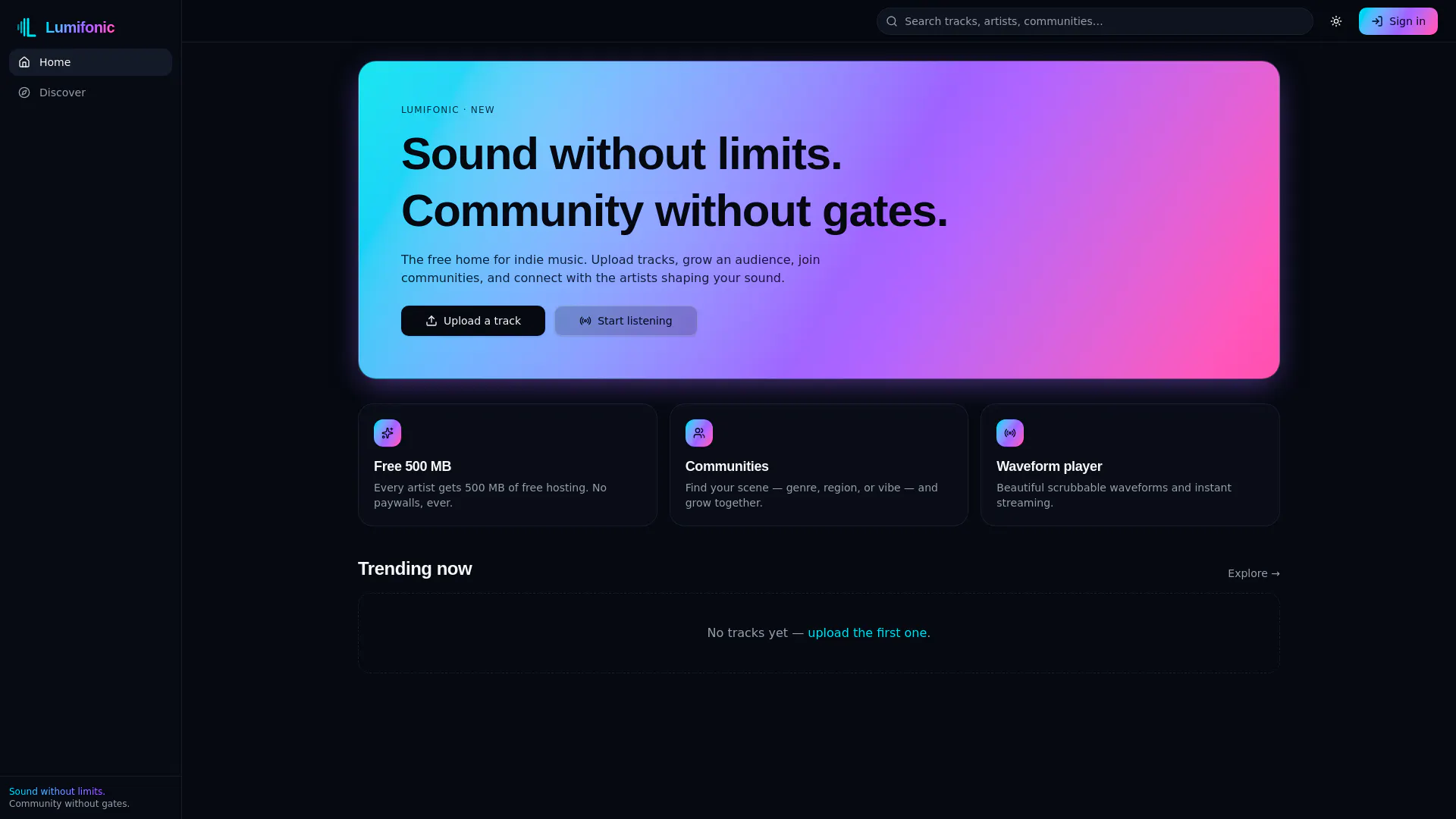
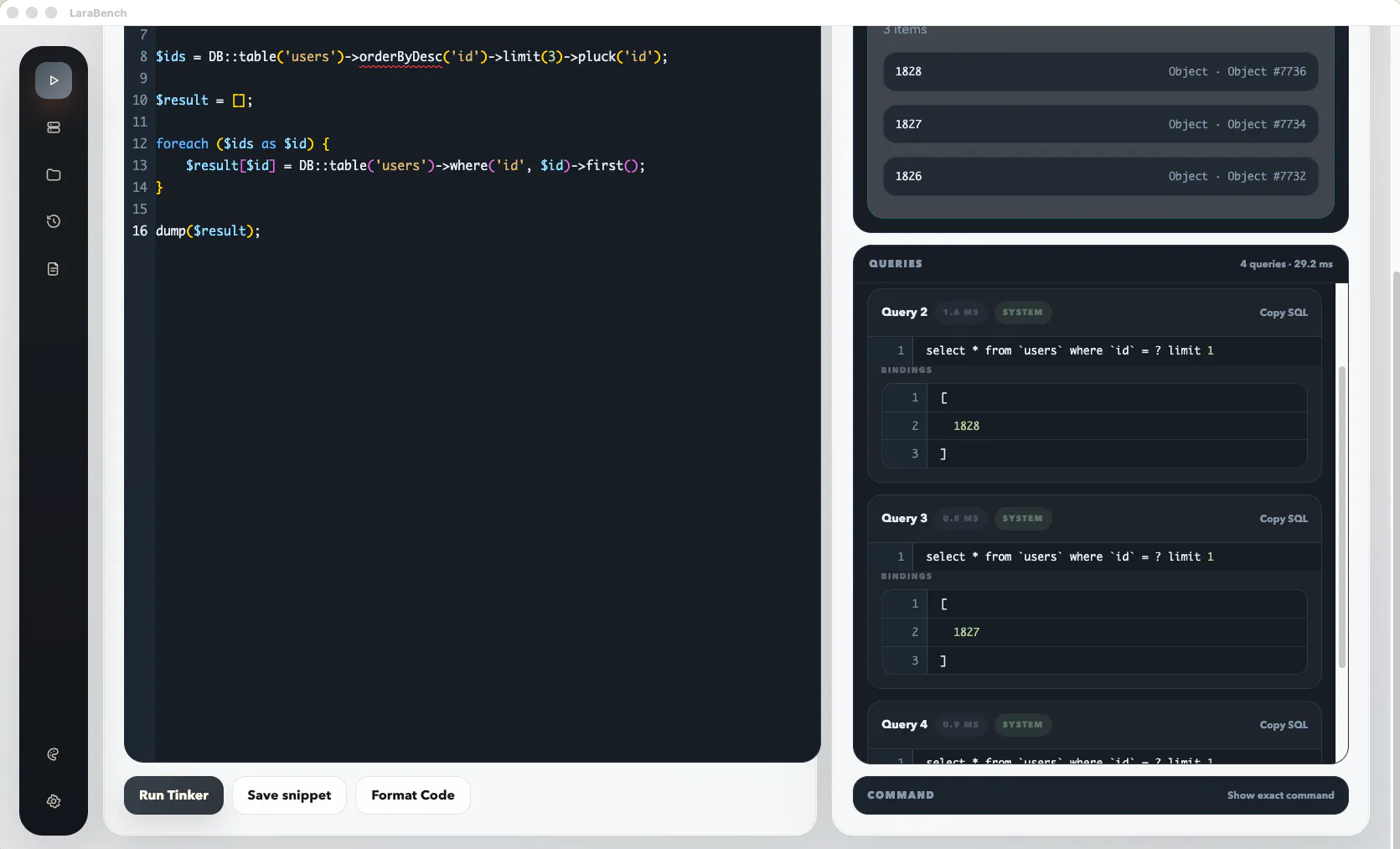
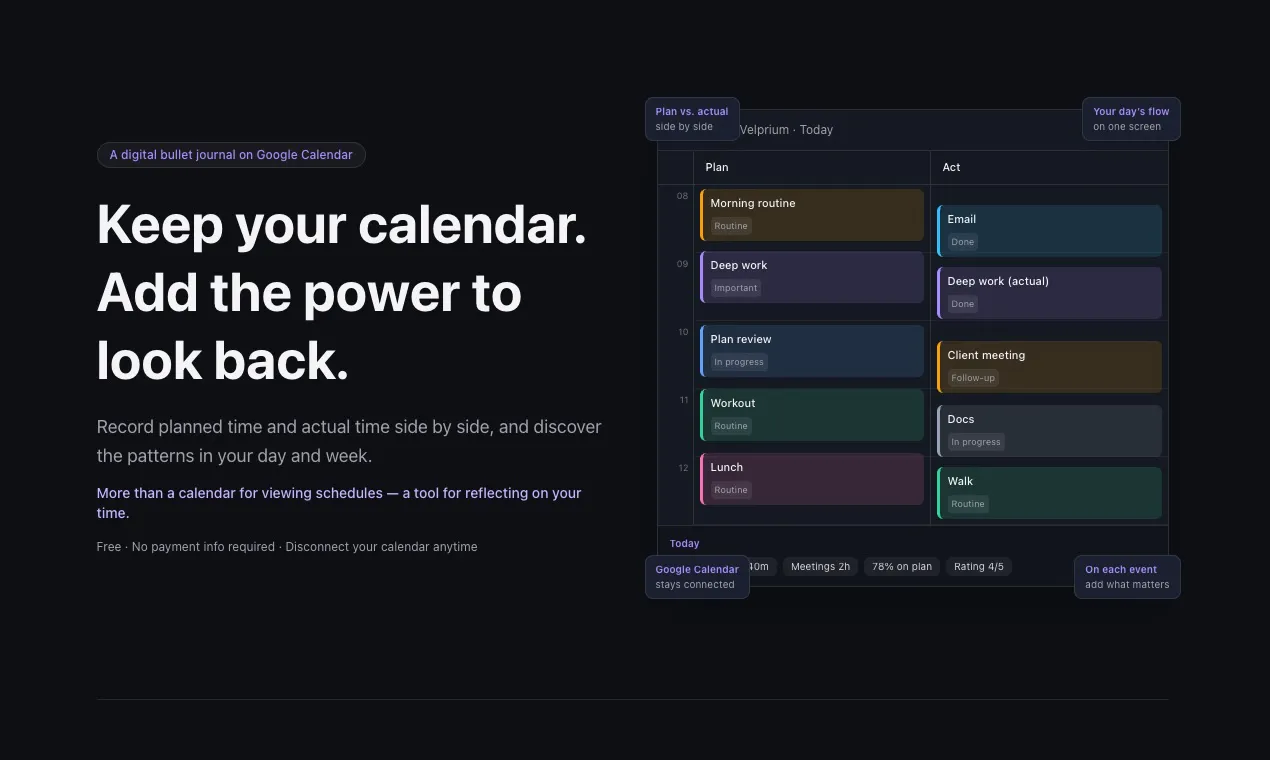
Not the loudest launch — the ones that kept moving after it. Showing 4 of 516 products from this week that shipped at least one day since launching and have a screenshot to show; these are the ones with the most shipping days.
Gone before anyone looked
Launched this week and already not answering — 8 of 47 shown, shortest-lived first. The number next to each is how many days we could still reach it, which is also the honest limit of what we know about it.
- Spendawatched 2d
- Opendroid watched 2d
- Mathrid - Number Crosswordwatched 2d
- super-spec.skillwatched 3d
- MYWIEwatched 3d
- QuizIQwatched 3d
- AI GATEWAYwatched 3d
- Longshine Boi-Techwatched 3d
Questions this week's data answers
Everything below is generated from the figures on this page — same window, same method, nothing added. It is written as questions because that is how both people and language models look things up.
The week in numbers
How many products launched on public launch boards in the week of Jul 20 – 26, 2026?
6,827 products launched across 12 public launch boards in the week of Jul 20 – 26, 2026. Tablif dates each launch by the board's own launch date rather than by the day the product was discovered, and only publishes a week once all seven of its days were collected.
How many of the products launched in Jul 20 – 26, 2026 were still online afterwards?
91.0% were still answering — 6,214 of 6,827. 47 had already stopped responding and 566 could not be determined because the site sat behind a bot wall or timed out. "Still answering" means the site returns a response, which is not the same as the product being maintained.
Which day of the week do most indie products launch?
Tue was the busiest day in the week of Jul 20 – 26, 2026, with 1,200 launches. That figure counts only boards that publish daily; the boards that release once a week put their entire week on a single day and would invent a rhythm that is not there.
How many products launched on more than one board in the same week?
146 of the 6,827 products launched in Jul 20 – 26, 2026 appeared on two or more of the boards Tablif watches. Cross-posting is why the per-board figures add up to more than the week's total.
How many newly launched products went quiet straight away?
47 products launched in Jul 20 – 26, 2026 were no longer answering when Tablif last checked, out of 6,827 that week. A site that stops answering has not necessarily been abandoned, but it is the earliest external signal available.
What happened to the prices of products that had already launched?
Across 10,181 products that launched before Jul 20 – 26, 2026 and were priced on both the Monday and the Sunday of that week, the average move was +2.08%; 3,807 gained value, 3,774 lost value and 2,600 were unchanged. Products that launched during the week are excluded because their opening ramp is a settling artefact — including them read about five times higher.
How much of this data is checked by a person rather than a machine?
6,824 of the 6,827 products launched in Jul 20 – 26, 2026 were read and summarised. The reading is done by a language model over each product's own description — the text its makers published on the launch board — not by a human editor and not by copying a third-party review. 5,969 carry a written explanation of how the product works, 3,136 a note on who it suits, 2,150 a pricing note and 608 an explicit caveat; a field is left empty when the description does not state it, rather than filled with a guess. The counts, liveness checks and price moves are measured automatically; these notes are written.
How many products launch in a language other than English?
193 of the products launched in Jul 20 – 26, 2026 published their own description in a script other than the Latin alphabet used for English, most often Español (51), 中文 (40), Français (36). Tablif detects this from the writing system of that description, not from a claim about supported languages — a product that advertises "many languages" is not counted here unless its own text is written in one.
What kinds of things launched in Jul 20 – 26, 2026?
339 of the products launched in Jul 20 – 26, 2026 carry a "kind" tag, spread across 10 distinct values; the largest are A directory (89), A service, not software (86), A template or kit (86), A mobile app (76). Most products carry one kind but a few carry two, which is why the 343 tags outnumber the tagged products. Shares are of that tagged group rather than of every launch.
What the products were
What do newly launched indie tools promise most often?
Among products launched in Jul 20 – 26, 2026, the most common answers on Tablif's "Must-haves" axis were Doesn't mention AI (3,886), Free (1,553), No sign-up (660). 4,881 of that week's products carry a tag on this axis, spread across 18 distinct values. Tags are read from the product's own description, so a product that never states this does not appear on the axis at all.
Who were newly launched indie tools built for?
Among products launched in Jul 20 – 26, 2026, the most common answers on Tablif's "Who for" axis were At work (1,464), Just me (1,008), I build things (985). 3,346 of that week's products carry a tag on this axis, spread across 7 distinct values. Tags are read from the product's own description, so a product that never states this does not appear on the axis at all.
What problems do newly launched indie tools say they solve?
Among products launched in Jul 20 – 26, 2026, the most common answers on Tablif's "The problem" axis were I want to own my data (619), I'm wasting time (600), I don't trust the cloud (404). 1,689 of that week's products carry a tag on this axis, spread across 9 distinct values. Tags are read from the product's own description, so a product that never states this does not appear on the axis at all.
What do newly launched indie tools plug into?
Among products launched in Jul 20 – 26, 2026, the most common answers on Tablif's "Works with" axis were Works with MCP (151), Works with YouTube (126), Works with Chrome (110). 1,434 of that week's products carry a tag on this axis, spread across 128 distinct values. Tags are read from the product's own description, so a product that never states this does not appear on the axis at all.
What kind of work were newly launched indie tools built for?
Among products launched in Jul 20 – 26, 2026, the most common answers on Tablif's "Your work" axis were Developers (373), Marketers (211), Freelancers (202). 1,434 of that week's products carry a tag on this axis, spread across 31 distinct values. Tags are read from the product's own description, so a product that never states this does not appear on the axis at all.
What material do newly launched indie tools work on?
Among products launched in Jul 20 – 26, 2026, the most common answers on Tablif's "Material" axis were Photos (369), Video (281), PDFs (235). 1,288 of that week's products carry a tag on this axis, spread across 10 distinct values. Tags are read from the product's own description, so a product that never states this does not appear on the axis at all.
What form do newly launched indie tools take?
Among products launched in Jul 20 – 26, 2026, the most common answers on Tablif's "Form" axis were Desktop app (360), iPhone / iPad (286), API / SDK (265). 1,269 of that week's products carry a tag on this axis, spread across 13 distinct values. Tags are read from the product's own description, so a product that never states this does not appear on the axis at all.
What do newly launched indie tools position themselves against?
Among products launched in Jul 20 – 26, 2026, the most common answers on Tablif's "Instead of" axis were An alternative to something (390), Instead of juggling tools (142), Instead of doing it by hand (74). 667 of that week's products carry a tag on this axis, spread across 22 distinct values. Tags are read from the product's own description, so a product that never states this does not appear on the axis at all.
Where do newly launched indie tools run?
Among products launched in Jul 20 – 26, 2026, the most common answers on Tablif's "Runs on" axis were Runs on iPhone (289), Runs on Android (208), Runs on Mac (183). 635 of that week's products carry a tag on this axis, spread across 7 distinct values. Tags are read from the product's own description, so a product that never states this does not appear on the axis at all.
What languages do newly launched indie tools speak?
Among products launched in Jul 20 – 26, 2026, the most common answers on Tablif's "Language" axis were Many languages (243), Español (51), 中文 (40). 436 of that week's products carry a tag on this axis, spread across 13 distinct values. Tags are read from the product's own description, so a product that never states this does not appear on the axis at all.
What kind of thing are newly launched indie tools?
Among products launched in Jul 20 – 26, 2026, the most common answers on Tablif's "Kind" axis were A directory (89), A service, not software (86), A template or kit (86). 339 of that week's products carry a tag on this axis, spread across 10 distinct values. Tags are read from the product's own description, so a product that never states this does not appear on the axis at all.
Where they launched
How many products launched on Product Hunt in the week of Jul 20 – 26, 2026?
5,455 products launched on Product Hunt in the week of Jul 20 – 26, 2026 — the largest of the 12 boards Tablif watches, out of 6,827 distinct products that week. Because a product can be posted to several boards, the per-board figures deliberately overlap and do not sum to the week's total.
How many products launched on PeerPush in the week of Jul 20 – 26, 2026?
PeerPush carried 542 launches in the week of Jul 20 – 26, 2026, against 5,455 on Product Hunt. Boards are counted from their own launch dates, and a product cross-posted to two boards is counted by both.
How many products launched on Peerlist in the week of Jul 20 – 26, 2026?
Peerlist carried 239 launches in the week of Jul 20 – 26, 2026, against 5,455 on Product Hunt. Boards are counted from their own launch dates, and a product cross-posted to two boards is counted by both.
How many products launched on TinyLaunch in the week of Jul 20 – 26, 2026?
TinyLaunch carried 228 launches in the week of Jul 20 – 26, 2026, against 5,455 on Product Hunt. Boards are counted from their own launch dates, and a product cross-posted to two boards is counted by both.
How big are the smaller launch boards?
In the week of Jul 20 – 26, 2026 the remaining 8 boards carried Uneed 155, Fazier 109, BetaList 104, OpenHunts 71, Devhunt 28, Smol Launch 24, MicroLaunch 22, Tiny Startups 18. Together they account for 531 listings — smaller boards are not necessarily quieter markets, they are narrower ones.
What goes with what
Do products tagged "Online sellers" also tend to be "Works with Shopify"?
Yes — in the week of Jul 20 – 26, 2026 the two appeared together 35.5 times more often than they would if the tags were unrelated, across 22 products. That ratio compares the observed overlap with what statistical independence would predict, so it identifies a genuine pairing rather than simply the two largest tags.
Do products tagged "Email" also tend to be "Works with Google"?
Yes — in the week of Jul 20 – 26, 2026 the two appeared together 24.3 times more often than they would if the tags were unrelated, across 38 products. That ratio compares the observed overlap with what statistical independence would predict, so it identifies a genuine pairing rather than simply the two largest tags.
Do products tagged "I don't trust the cloud" also tend to be "Data stays with you"?
Yes — in the week of Jul 20 – 26, 2026 the two appeared together 11.7 times more often than they would if the tags were unrelated, across 130 products. That ratio compares the observed overlap with what statistical independence would predict, so it identifies a genuine pairing rather than simply the two largest tags.
Do products tagged "Freelancers" also tend to be "Contracts & invoices"?
Yes — in the week of Jul 20 – 26, 2026 the two appeared together 9.8 times more often than they would if the tags were unrelated, across 28 products. That ratio compares the observed overlap with what statistical independence would predict, so it identifies a genuine pairing rather than simply the two largest tags.
Do products tagged "Video" also tend to be "Works with TikTok"?
Yes — in the week of Jul 20 – 26, 2026 the two appeared together 9.2 times more often than they would if the tags were unrelated, across 34 products. That ratio compares the observed overlap with what statistical independence would predict, so it identifies a genuine pairing rather than simply the two largest tags.
Do products tagged "Video" also tend to be "Works with YouTube"?
Yes — in the week of Jul 20 – 26, 2026 the two appeared together 8.7 times more often than they would if the tags were unrelated, across 45 products. That ratio compares the observed overlap with what statistical independence would predict, so it identifies a genuine pairing rather than simply the two largest tags.
Who they were for
What do tools built for "At work" usually plug into?
Among products launched in Jul 20 – 26, 2026 and tagged for At work, the most common integrations were MCP (49), WhatsApp (42), Slack (31), GitHub (29). Integrations are counted per product, and one product can depend on several.
What do tools built for "I build things" usually plug into?
Among products launched in Jul 20 – 26, 2026 and tagged for I build things, the most common integrations were GitHub (104), MCP (90), Runs on someone else's model (22), Slack (17). Integrations are counted per product, and one product can depend on several.
What do tools built for "For a team" usually plug into?
Among products launched in Jul 20 – 26, 2026 and tagged for For a team, the most common integrations were MCP (30), Slack (28), GitHub (24), Google (23). Integrations are counted per product, and one product can depend on several.
What do tools built for "Facing clients" usually plug into?
Among products launched in Jul 20 – 26, 2026 and tagged for Facing clients, the most common integrations were WhatsApp (38), MCP (15), TikTok (13), Google (10). Integrations are counted per product, and one product can depend on several.
What do tools built for "Just me" usually plug into?
Among products launched in Jul 20 – 26, 2026 and tagged for Just me, the most common integrations were YouTube (21), Google (17), TikTok (14), Runs on someone else's model (12). Integrations are counted per product, and one product can depend on several.
What do tools built for "I make things" usually plug into?
Among products launched in Jul 20 – 26, 2026 and tagged for I make things, the most common integrations were YouTube (24), TikTok (21), Runs on someone else's model (5). Integrations are counted per product, and one product can depend on several.
Answers cover Jul 20 – 26, 2026only and were computed from Tablif's own daily collection across 12 launch boards. How these numbers are measured.
What this report can't tell you
Every number above has an edge. These are the ones we know about.
- Twelve boards is not the whole market. Plenty of products launch to a mailing list, a Discord, or nowhere at all. Those never enter this report, and nothing here should be read as “everything that shipped”.
- “Still answering” is not “still alive”. We ask the site for a response. A parked page answers; a healthy product behind a bot wall does not. 566 of this week's launches sit in that gap.
- Tags come from what the product says about itself. Every axis above is read off the product's own description. A tool that never says who it is for will not appear under any audience — that is our blind spot, not its absence.
- One week is a week. Survival, shipping rhythm and price only mean something across months. Ask again in ninety days.
- measured that week
- measured today
Every figure on this page carries one of those two badges. A number without a badge would be a number without a date, and that is how reports start lying.